KfW-40 House 2026: Subsidy, Requirements, Providers
For a KfW-40 new build, between 100.000 € and 270.000 € as low-interest subsidy loan is possible in 2026 depending on the constellation: up to 100.000 € per residential unit via the program “Climate-Friendly New Build” (KFN 297/298), for families with children and within the income limit up to 270.000 € via “Home Ownership for Families” (WEF 300).
Conditions dependent on residential units, QNG and program (Stand 2026, kfw.de).
kfw40fertighaus.de is an independent information portal. “KfW” is used exclusively descriptively; there is no connection to the KfW Bankengruppe.
Subsidy-Eligible Example Houses
Three new builds from our database with documented efficiency standard according to manufacturer. The manufacturer information is a strong indication but does not replace the binding subsidy check in the individual case.
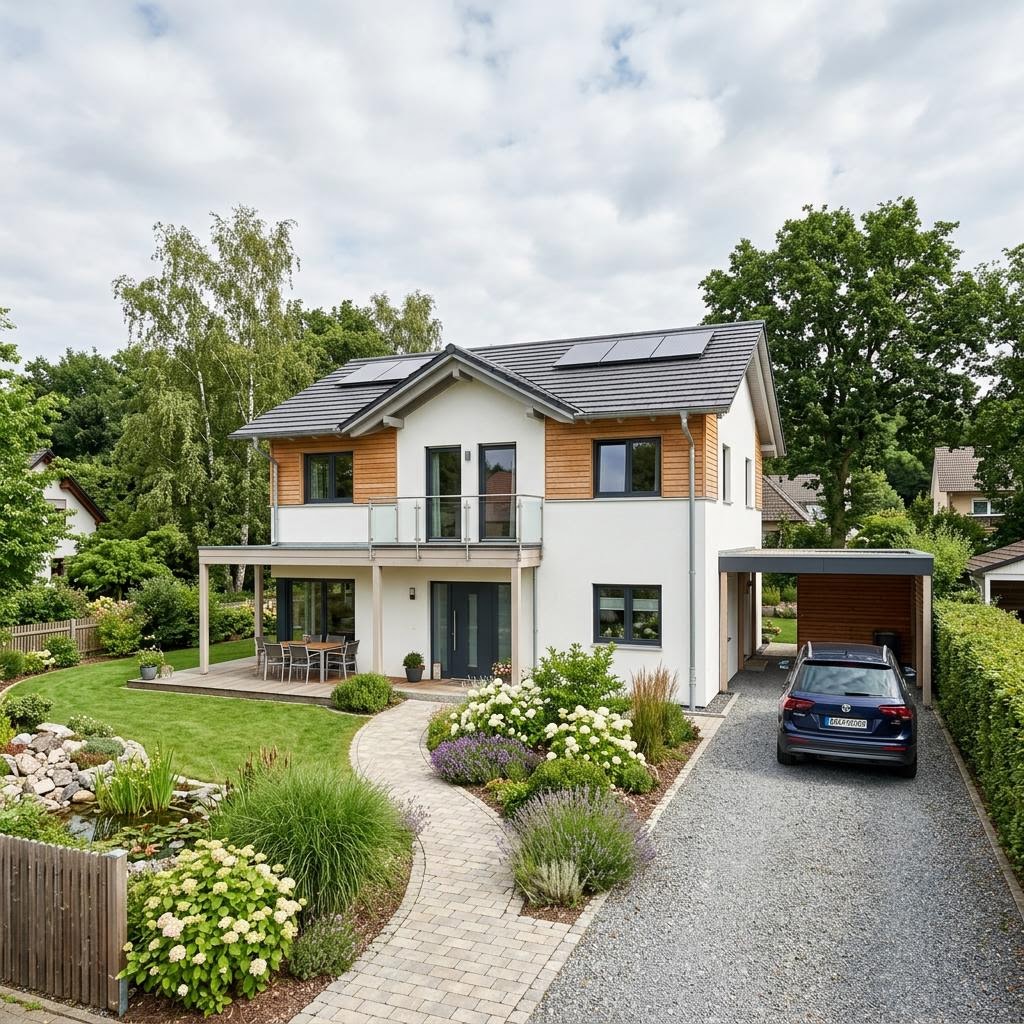 Efficiency standard according to manufacturer: Efficiency House 40 EE
FamilienGlück 142
massa haus
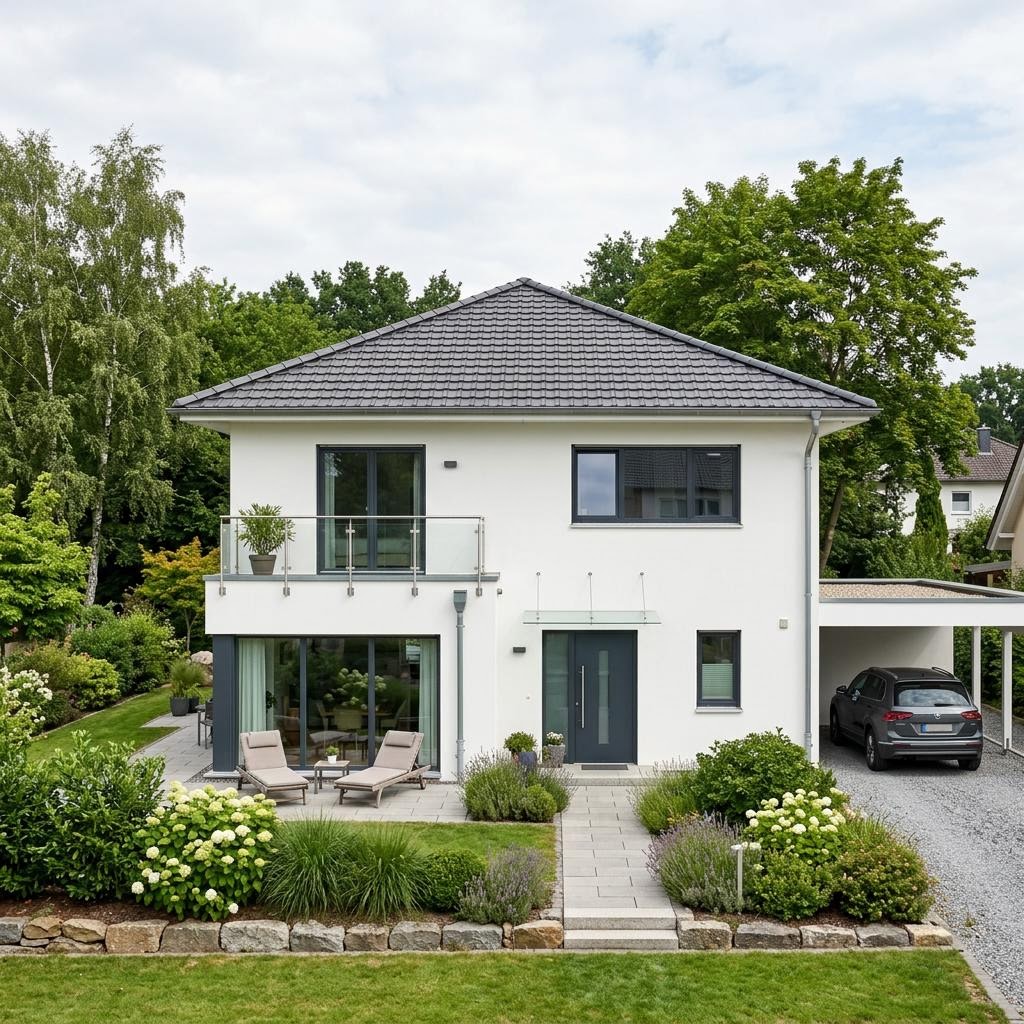 Efficiency standard according to manufacturer: Efficiency House 40
Linea 146
Heinz von Heiden Solid Brick Houses
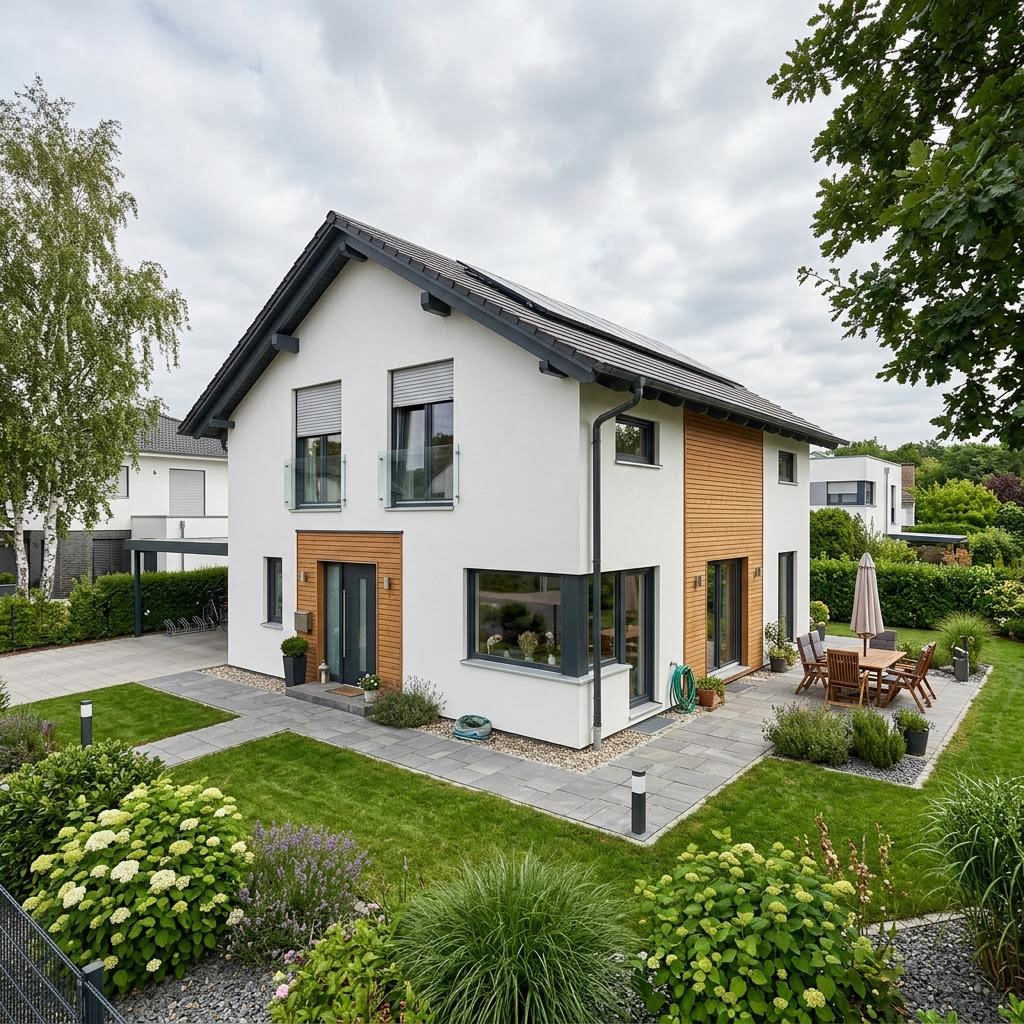 Efficiency standard according to manufacturer: Efficiency House 40 EE
Vio Classic 134
FingerHaus
The 3 Biggest Subsidy Errors
These three errors regularly cost builder-owners the complete subsidy entitlement – they can be avoided with the correct sequence.
Construction start before subsidy commitment
The application must be available via the bank before the start of the project. Anyone who signs the construction contract beforehand loses the entitlement (Stand 2026, kfw.de).
No energy efficiency expert involved
Without a specialist listed in the expert list there is no confirmation for the application – and without this no subsidy (Stand 2026, kfw.de).
WEF income limit calculated incorrectly
The decisive factor is the average of the two previous calendar years, not the current gross income – a common calculation error (Stand 2026, kfw.de).
Everything about the KfW-40 subsidy in one place
From the programs via the technical requirements to the application process – and the houses and providers that fulfill the standard.
Subsidy Programs
KFN 297/298 and WEF 300 with loan amounts and conditions (Stand 2026, kfw.de).
EH-40 Requirements
Primary energy, thermal envelope, QNG and verifications explained understandably.
Process & Application
Step by step from the energy consultant to the bank's subsidy approval.
Is KfW 40 Worth It?
Additional costs versus interest benefit – when the standard pays off.
462 subsidy-eligible houses
New builds with efficiency standard according to manufacturer, filterable by type and price.
Providers
Manufacturers with at least one house in the EH-40 standard according to manufacturer.
Short inquiry: Which providers build subsidy-eligible in your region?
Enter postcode and receive non-binding suitable providers with houses in the efficiency standard according to manufacturer – in under 60 seconds.
Which prefabricated house do you have in mind?
Prefabricated house in 10 lessons
In ten compact lessons we accompany you from budget planning via building plot, provider selection and subsidy to contract, construction process and warranty. One e-mail every two days, can be unsubscribed at any time with one click.
Frequently asked questions on the KfW-40 subsidy
The most important answers to programs, requirements and application – every condition with source and stand.